|
Thank you for subscribing to
the Wild
Bird
Talking Ezine.
You may forward this Ezine to
your friends. If you have received this issue from a friend and would
like to
receive your no-cost subscription please click
here.
|
|
 |
|
|
|
Back
to the Top |
|
|
| Vicky's Lookout
Welcome
to
this Edition of the Wild Bird Talking Ezine
Dear
Friends,
'The only constant in life - is change' is a famous Buddhist teaching. Each
day a new sun rises and life moves forward. Birds and humans alike
learn to live with the memories of their loved ones. Vicky's
children have grown up. Young Georgie has stopped squeaking while
her older siblings Mindy and Monty have transformed into handsome
young adults. Mindy looks a striking (although slightly smaller)
image of her Dad Maggie and even walks like him. We were
fortunate that Vicky and family are well respected in the district and
no other magpies have attempted to oust them. Vicky
has changed her appearance and looks very attractive, but her eyes
cannot hide her sorrow. Her nests have been well maintained and
as the new mating season approaches we wait eagerly to see if she
will take another mate or hand her territory to one of her kids.
The tiny
thornbills never cease to surprise us. They came out of the paddocks to welcome
us and posed for the camera, even though its been months since our
last visit. We got some great shots and I encourage you to look
at the slideshows and close-ups (click here). These birds are
smaller than my little finger and the photographs have been taken at
close range with 12 x zoom, further magnified by 1.5 teleconverter lens
and then enlarged using GIMP photo-software to get the close-ups.
In
this issue we bring you a very informative article on bird diseases by pharmacist and bird lover, Jane Ellington. Our
reader Fiona shares her amazing story about listening to peewees and
Dhiren from India shares pictures of his birds.
|
With
Warm Wishes,
From
Ron, Vicky and me,
Gitie
|
|
|
|
|
|
|
|
|
*****
Feature Article *****
|
Back
to the Top |
|
|
Are
Your Bird Feeders Spreading Deadly Diseases?
Two
Potentially Lethal Diseases that Can be Spread by Backyard Bird Feeders
by Janie Ellington
During
the last five years, I have had personal experience with two wild bird
infections, trichomoniasis and avian pox, that can be unintentionally
spread by well-meaning people who have bird feeders in their yards. I
hope the following will raise awareness of the importance of good
hygiene practices in feeding wild birds.
Trichomoniasis
Trichomonas
gallinae infection
is
common in some wild birds, especially pigeons and doves. Those of us
who regularly raise and release orphaned doves often have the
heartbreak of caring for little ones who are infected with this
parasite. Left untreated, it is almost always fatal. These little birds
begin with difficulty swallowing and difficulty breathing. The
progression of the disease ultimately
makes swallowing impossible and their airways become completely closed
off, causing them to die.
Adult
birds can be asymptomatic carriers and may pass this disease on when
feeding their young. Another way
the disease
is spread is from infected water and food. When an infected bird drinks
from a water source, the parasite swims out of its mouth and is then present in the
water for other birds to pick up when they drink. When an infected bird
picks up a seed or other food and then
drops it, another bird may become infected after picking it up and
eating it.
This
disease is not easy
to spot. The only thing you can do is to try to be on the lookout for
lethargic, fluffed up birds or birds who seem to keep their mouths
open. This is your cue to take extra special care with the
above precautions. If you see numerous sick birds, it would be best to
discontinue feeding for the time being.
Avian
Pox
I
witnessed this one in my neighborhood a
couple of years ago when diseased purple finches were coming to my
patio to feed. I was seeing numerous birds with very large wart-like
growths on their feet, legs, heads, and other parts of their bodies. I
called South
Plains Wildlife Rehab Center in
Lubbock, TX. Their director helped me to determine that what I was
seeing was an outbreak of avian pox.
Birds
with this disease
can become unable to perch when lesions affect their legs and feet,
causing them to be more vulnerable to predators. They may also become
unable to eat when
lesions keep them from opening or closing their beaks to swallow food.
They may be unable to find food
if they become blinded by their lesions. It is so sad to witness and it
is very contagious. Some birds survive, depending on the extent of the
lesions and systemic involvement, but many of them die.
This
disease is easy to spot.
You can see photos
of infected birds by following the link given at the end of this
article. I'll warn you that the sight of this is not pretty and can be
very upsetting. If you see even one diseased bird with these wart-like
lesions anywhere on its body, immediately take your feeders and water
sources away and disinfect them before putting them out again. If you
see two or more diseased birds, it is recommended that you discontinue
feeding for a week or longer to discourage the spread of the disease.
Infected birds might have a better chance of surviving if you continue
to feed, but because they will live longer they will be able to infect
a greater number of healthy birds.
Other
Diseases
Other
fatal diseases
can be spread from poor hygiene practices associated with feeding of
birds. The recommendations below will go a long way toward limiting
your unintentional participation in spreading disease. By doing
a web search or following some of the links I have given below, you can
read more about the prevalence and devastating effects of trichomonas,
avian pox, and other diseases
that are unintentionally spread by human carelessness. Multiple
localities in the U.S. (and worldwide) have been forced to issue public
warnings to residents to discontinue feeding in an attempt to control
particularly widespread outbreaks of these diseases. A little knowledge
and prevention can go a long way.
What
You Can Do to Prevent Spreading Disease to Birds at Your Feeders
Always
offer clean water in clean
containers. Water needs to
be changed as often as possible. You can clean
containers with bleach regularly and then rinse and dry them completely
before refilling them. You also need to keep bird baths clean.
I
use a plastic container meant for keeping individual sandwiches fresh.
I change the water three times a day. I change the container once
daily, putting the previously used one into the dishwasher to be
disinfected.
Be
sure you clean up
the feeding area. Removing
old seed and hulls and bird droppings (which may be infected) from
under and around your bird feeders is essential.
I
have found this to be easier when feeding over a concrete surface
instead of somewhere over a grass-covered area.
Don't
use bird feeders that birds
must stick their heads into. When an
infected bird sticks its head into the openings of this type bird
feeder, it leaves body
fluids behind. This is especially a risk if the feeders have sharp
edges or protrusions that might nick or cut the bird. Subsequently,
when a healthy bird comes
to the same feeder, it becomes infected. All bird feeders need to be
regularly disinfected.
I
don't use any type of bird feeder. To feed seed at my house, I use an
old door that rests on two sawhorses. With each feeding, I first sweep
the door and the patio surface under the door and then I wash both with
the water hose. I spread newspaper on top of the door and anchor it
with bricks (also washed) and spread the portion of seed I plan to feed
as widely as I can. Alternatively, you could buy old plates or saucers at a
consignment store and use clean
ones each time you feed, putting the used ones into the dishwasher. I
have also used cookie sheets which I lined with newspaper. I used the
newspaper partly because the cookie sheets, being metal, heated up in
the sunlight to the point that I was concerned about burning the birds'
feet.
Offer
fresh food. Throw
away food that has
become wet and moldy or otherwise contaminated. Store food in
mouse-proof containers. Mice love birdseed
and they are carriers of diseases that can
be dangerous for birds.
I
am making food
available to wild birds that I have hand-fed and released so I am now
putting out seed three times daily. I never keep a bag of seed long
enough for it to get old. If you find a bag of seed is lasting too
long, buy smaller
bags. It may cost
a little bit more but you will not subject the birds to as much risk. I
store seed in a plastic trash can with a tight-fitting lid that flips
open.
Make
others aware. Consider
telling your
neighbors what you are doing and why. If you know that diseased birds
are coming to your feeders, let others know about it and let them know
what to do.
When
I saw so many birds coming to my yard that were obviously infected
with avian pox, I discontinued feeding for about ten days. I made up a
flier and put it out to all the houses in my
neighborhood. I also wrote a letter to the editor of my local newspaper
in case the disease was
showing up in other neighborhoods.
If
Following These Recommendations is Too Much Trouble
Feeding
birds at bird feeders poses risks for the birds that do not occur in
the same way in nature. If you are feeding birds in your backyard, you
probably have regard for keeping them as safe as possible and that
comes with some responsibility. Please consider discontinuing feeding
if you are unable to take the time to institute good feeding practices.
Also
please be aware that owning wild birds is illegal and
babies can be easily killed by well-meaning people who think they are
rescuing them. If you find a baby
bird that you think needs help, don't pick it up unless you have first
researched what to do. You may be taking it away from nearby parents
at a critical time in its life. If you are sure it needs help, call the
nearest trained wildlife rehabilitator. In other words, with regard to
feeding and raising wild baby
birds, follow the old caveat: "don't try this at home" unless you have
thoroughly educated yourself on what to do and what not to do.
Sources
for further information:
|
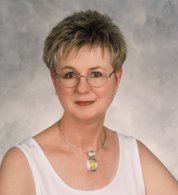
Janie Ellington:
My first memory of a passion of any kind was animals. As far back as I
remember, I have had a passion for critters. I am also a registered
pharmacist.
I enjoy writing and find blogging a great way to share information
about medicine and health. |
|
|
|
|
|
*****
Reader's Story *****
|
Back
to the Top |
|
|
When a Peewee Calls
From Fiona Darroch

|
|
Male peewees have a habit of attacking glass windows,
doors and car windscreens during mating season interpreting even their
fuzziest image as a sign of a competing male. Having spent months
unsuccessfully trying to dissuade them from harming themselves in the
process of battling with hard glass, I came to think of them as
somewhat dumb and rather annoying birds.
That was until Fiona told me of her experience. Click here for the full story.
These birds have earned my deep respect and I will always pay attention to what birds have to say. |
|
|
|
|
|
*****
Reader's Story *****
|
Back
to the Top |
|
|
Dhiren's Birds
From Dhiren Kane
|
|
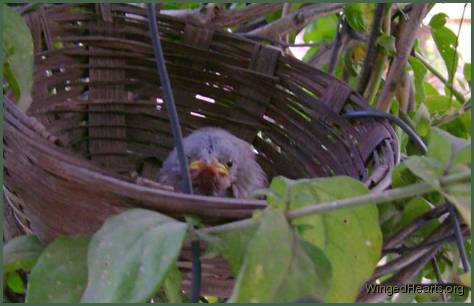
Dhiren is a wildlife lover from Gujarat India and hopes
to start a nature ashram in the near future. He recently sent us
some snapshots of the birds that visit his home. Click here to view his pictures.
We wish Dhiren and his family the very best in their endeavours. |
|
|
|
|
|
*****
Promotion - Preview Teleseminar *****
|
Back
to the Top |
|
|
|
"The Missing Element to Your Spiritual Coaching Success …
A No Cost Teleseminar by Sharon Wilson
"Learn
the Amazing Secret to Recession-Proofing Your Coaching Business
and Experience Unshakable Success and Peace of Mind in ANY economy!"
Special class with Founder and Chief Inspiration Officer
Sharon Wilson from Coaching from Spirit Institute
On Thursday, April 23rd, you'll discover this very "Element" when you attend a very special, complimentary (this means FR.EE!)
teleconference call. It happens at 8-9:30pm ET /5-6:30pm PT.
You'll also have the opportunity to jump start yourself to
further
success by hearing from our special guests and leading experts panel
and then having all your questions answered during Sharon's special Q
& A session.
Just for registering, you'll receive a special bonus...Sharon's 7 day
e-course, "Success From Spirit". In it you'll enjoy astonishing
(and easy!) success in your business by applying unique spiritual
principles from an entrepreneur's angle.
Plus, just 3 lucky listeners at the end of the call will W.I.N. one of
the 3 C.A.S.H. prizes! You've got to be on the call to win so make sure
you listen carefully for your name to be called!
When you attend this powerful call, you'll be eligible for more than
$10,000 worth of ADDITIONAL bonuses that Sharon's put together for
you!
But you have to be on the call to get this info!
Reserve your seat now at:
http://budurl.com/wwjj
Make sure that you have a notepad and pen ready to take notes!
The only way to make sure that you get a seat is to register AND be one of the first 500 on the line!
If you're looking for elemental strengths to add to your spiritual coaching success this is IT!
I love Sharon's work and highly recommend this no cost teleseminar.
Cheers
Gitie
--------
|
|
|
|
|
*****
Site Highlights *****
|
Back
to the Top |
|
|
|
|
|
|
*****
Coming In The Next Issue *****
|
Back
to the Top |
|
|
News and Views from
WBT
Coming
In The Next Issue:
- Six Tips For Recognising Individual Birds (with pictures)
- ...and more...
For Prior Issues visit the Wild Bird Talking Archives
Would you like to submit an
article or your bird story? We would love to
hear these stories and share them with others. Please drop us
a
line at: editor@wingedhearts.org
Invite Your Friends: If you
would like to inform your friends about WingedHearts.org and invite
them to subscribe to the Wild Bird Talking E-zine click
here.
Many Thanks To our Readers: Many thanks
to our friends and readers from around the world
who have visited the site and sent us their comments. We are very
grateful for your support and interest.
Blogs
- Comments: Share your
ideas, opinions and bird friendships by adding comments to the
blogs.
|
|
|
|
|
*****
Subscription *****
|
Back
to the Top |
|
|
Subscription
information:
If you received this message from wingedhearts.org, you are a current
subscriber. To ensure that you continue receiving
our
emails, please add us to your address book or safe list.
If you
received this message from a friend and would like to subscribe at no cost,
please click on the link below and enter details in the left hand menu
bar: http://www.wingedhearts.org
To unsubscribe use the link you received on subscribing or please send
a blank message to subscriptions@wingedhearts.org
with unsubscribe in the subject line.
Share this e-zine with a friend - forward them this e-mail.
|
|
|
|
|
Logo design by Mieke K
All Rights
Reserved. All contents of this e-mail and Ezine are Copyright
2007-2009.
For private, noncommercial use only. Copies must be
unaltered.
Attribution must
prominently state the author's name and that the source of the work is wingedhearts.org |
Back
to the Top |
|
|
|
|
|
|
|
|
|